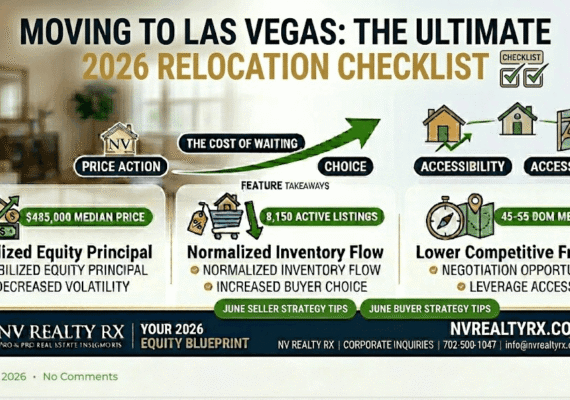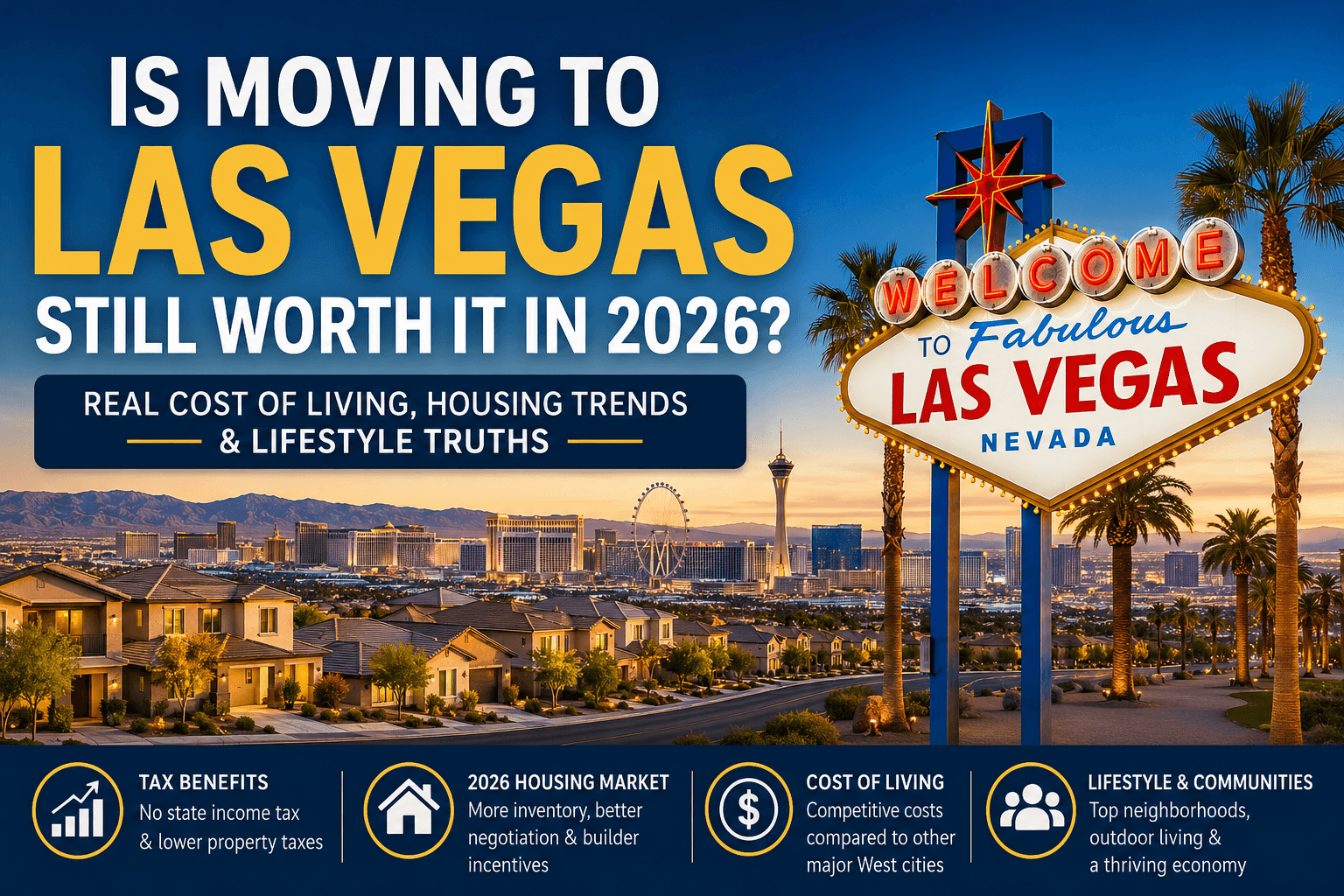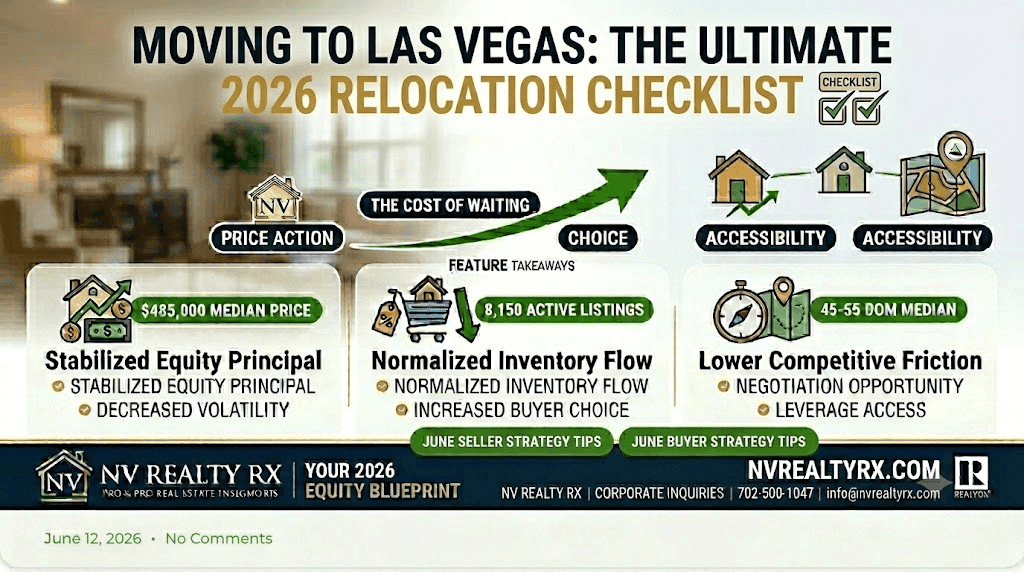
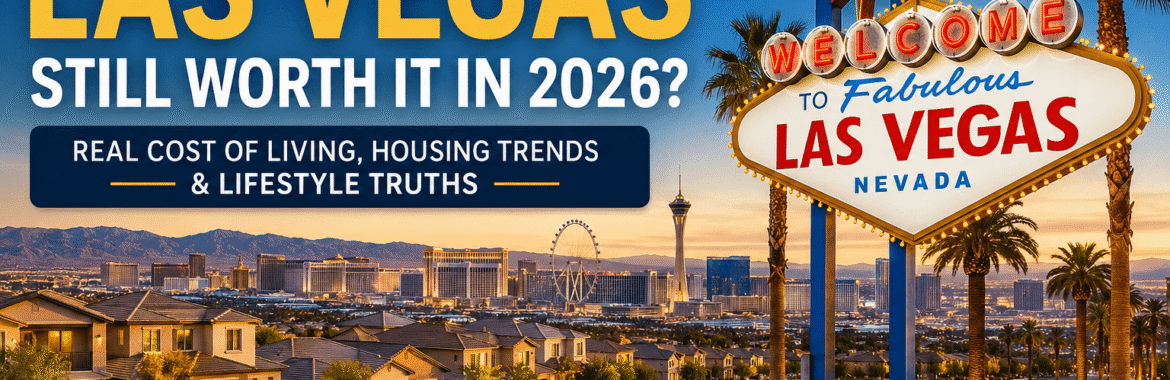
Thinking about relocating to Las Vegas in 2026?
You are not alone. Over the past few years, Las Vegas has continued evolving beyond tourism into a growing center for technology, sports, entertainment, logistics, and business development. But moving to a new city is not just about sunshine and lower taxes. Buyers today want real numbers, practical expectations, and a clear understanding of the housing market before making a major decision.
1. Nevada Tax Advantages Continue to Attract Buyers
One of the biggest reasons people relocate to Nevada is its tax-friendly structure compared to many neighboring states.
No State Income Tax
Nevada does not charge state income tax, which can significantly benefit residents moving from states with higher income tax rates such as California, New York, or Illinois.
Relatively Low Property Taxes
Nevada property taxes remain lower than many large metro areas across the Western United States. However, actual tax amounts vary depending on the property location, assessed value, and local district rates.
2. The 2026 Las Vegas Housing Market: More Balanced Than Previous Years
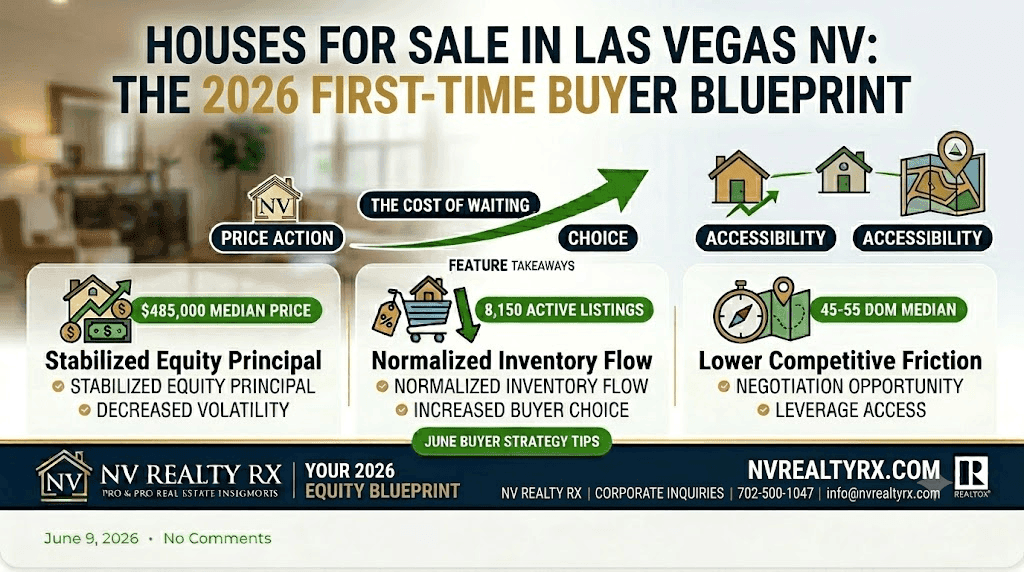
The Las Vegas real estate market in 2026 looks very different from the aggressive bidding environment seen during the pandemic-era housing surge.
Homes in many price ranges are spending more time on the market compared to previous years. While this may sound negative at first, many buyers now see it as an opportunity to make more informed decisions.
Buyers Have More Time for Due Diligence
Today’s market often allows buyers to:
- Schedule proper home inspections
- Review HOA documents carefully
- Compare neighborhoods more strategically
- Avoid rushed decisions caused by extreme competition
Negotiation Opportunities Have Improved
Depending on the property and price point, some sellers may be more flexible with:
- Closing cost assistance
- Interest rate buy-down contributions
- Repair negotiations
- Price adjustments
3. The Real Cost of Living in Las Vegas
While Las Vegas can still be more affordable than many coastal cities, it is important to understand the full picture of monthly expenses.
Utilities and Summer Energy Bills
Las Vegas summers are extremely hot, and air conditioning is a necessity for most households during peak summer months.
Newer homes often include:
- Better insulation
- Energy-efficient windows
- Smart thermostats
- Solar-ready features
These upgrades can help reduce energy consumption, but utility costs still vary depending on home size, usage habits, and energy provider rates.
Transportation and Commuting
Las Vegas remains relatively commuter-friendly compared to many larger metropolitan areas.
While traffic congestion has increased in some areas due to population growth, many residents can still commute across the Valley in reasonable timeframes depending on location and rush-hour patterns.
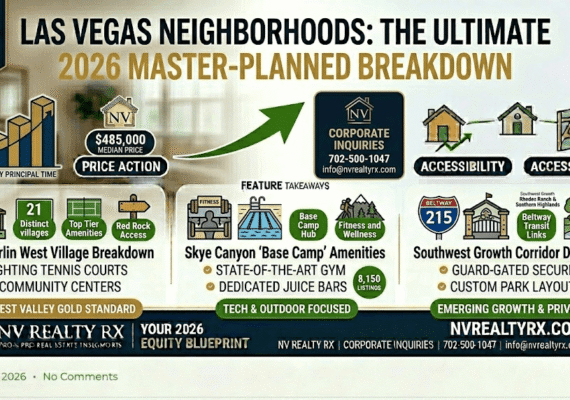
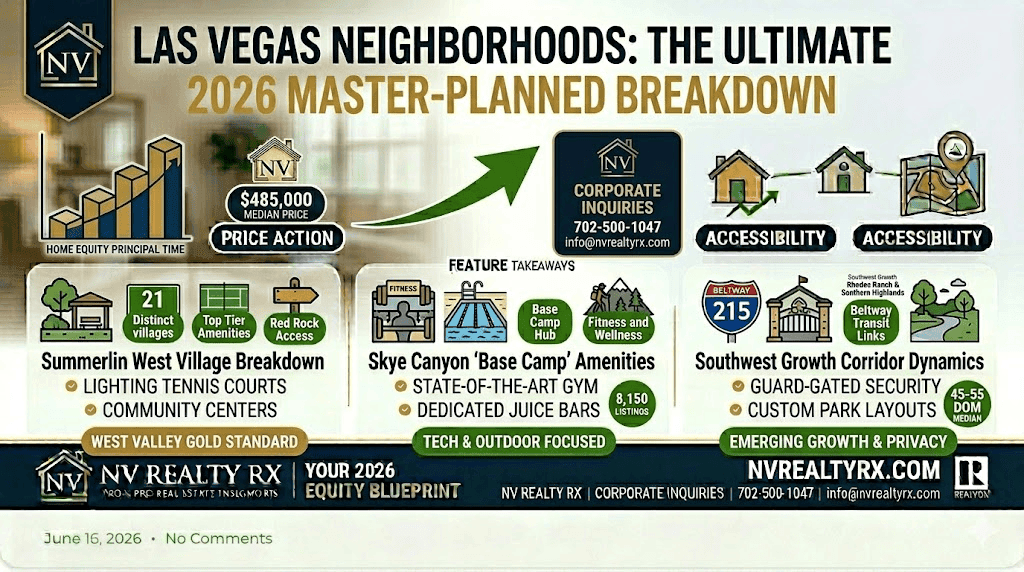
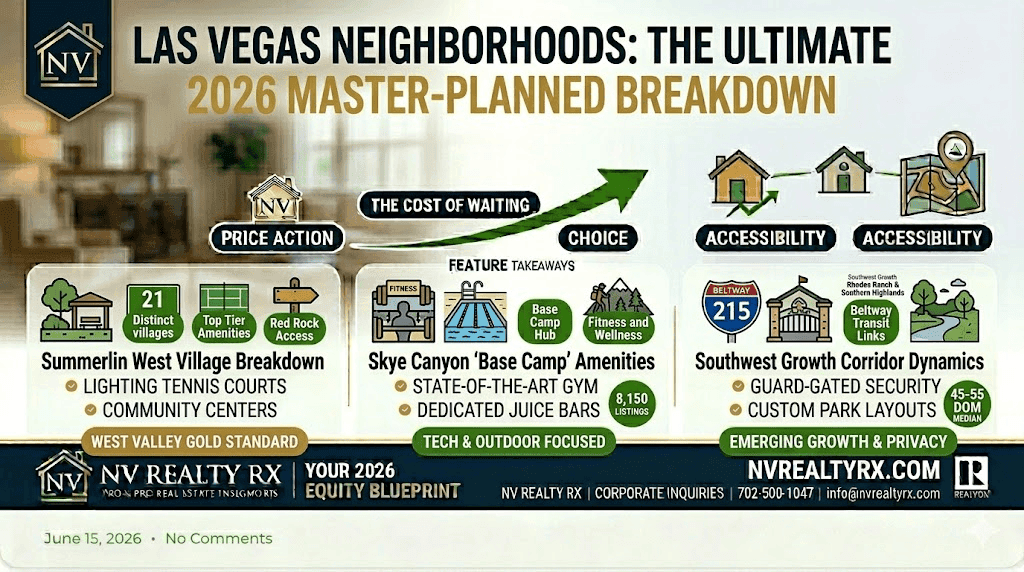
Popular residential areas like Henderson, Summerlin, and Southwest Las Vegas continue attracting buyers who prioritize accessibility, schools, shopping, and community amenities.
Groceries, Dining, and Services
Daily living costs such as groceries, restaurants, and personal services are generally closer to the national average than many expensive coastal cities. However, inflation and rising operational costs have impacted pricing nationwide, including in Nevada.
4. Best Areas to Live in Las Vegas in 2026
Las Vegas offers a wide variety of communities that appeal to different lifestyles and budgets.
Henderson
Henderson
Henderson remains one of the most popular choices for families, retirees, and professionals seeking suburban living, parks, shopping, and newer residential communities. The area is known for master-planned neighborhoods, outdoor recreation, and the growing Water Street District.
Summerlin
Summerlin
Summerlin continues to attract buyers looking for outdoor amenities, golf courses, walking trails, and higher-end residential communities. Its extensive parks and trail systems remain major lifestyle advantages for active residents.
North Las Vegas
North Las Vegas North Las Vegas has continued expanding with new residential developments, industrial growth, and improved infrastructure. Some buyers are drawn to the area for comparatively lower price-per-square-foot opportunities, although pricing varies significantly by neighborhood and property type.
So, Is Moving to Las Vegas Worth It in 2026?
For many buyers, the answer is yes especially for those looking for:
- No state income tax
- More housing options
- Warmer weather
- Master-planned communities
- Access to entertainment and outdoor recreation
- Potentially lower overall costs than some major West Coast cities
However, every move should be based on personal financial goals, employment stability, lifestyle preferences, and long-term affordability not just headlines or social media trends. The Las Vegas market in 2026 rewards buyers who approach the process strategically, understand their financing options, and work with experienced local professionals.