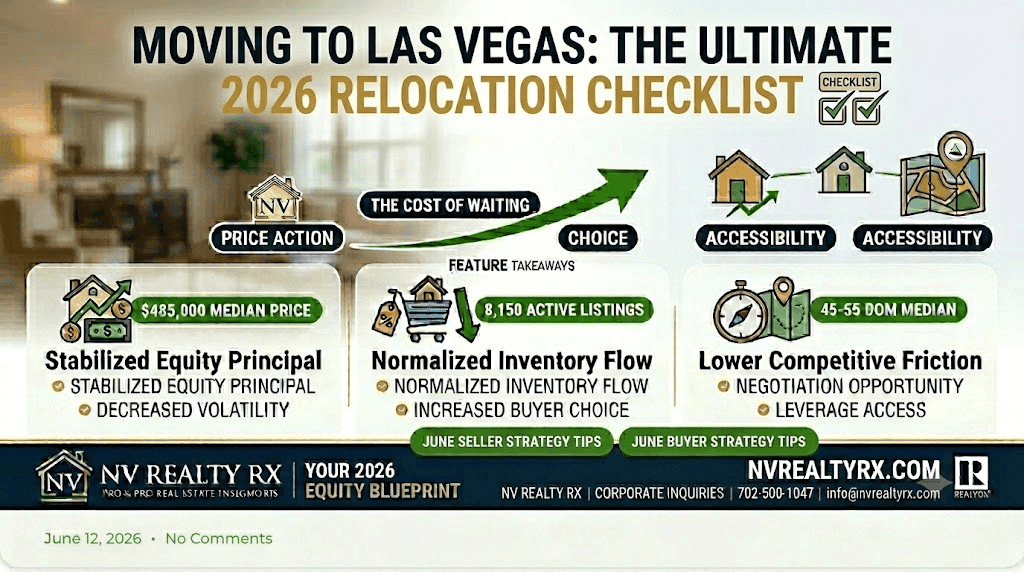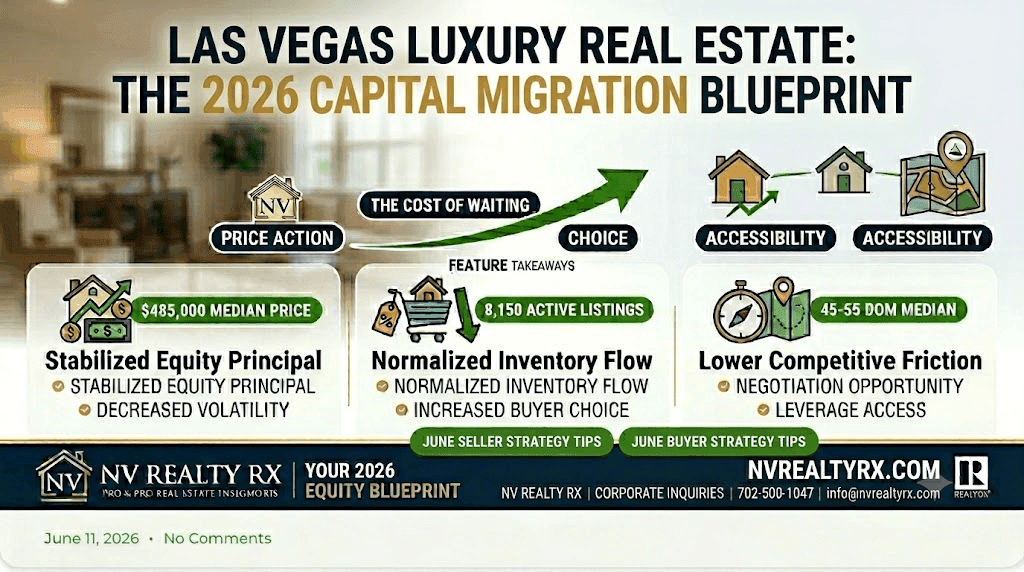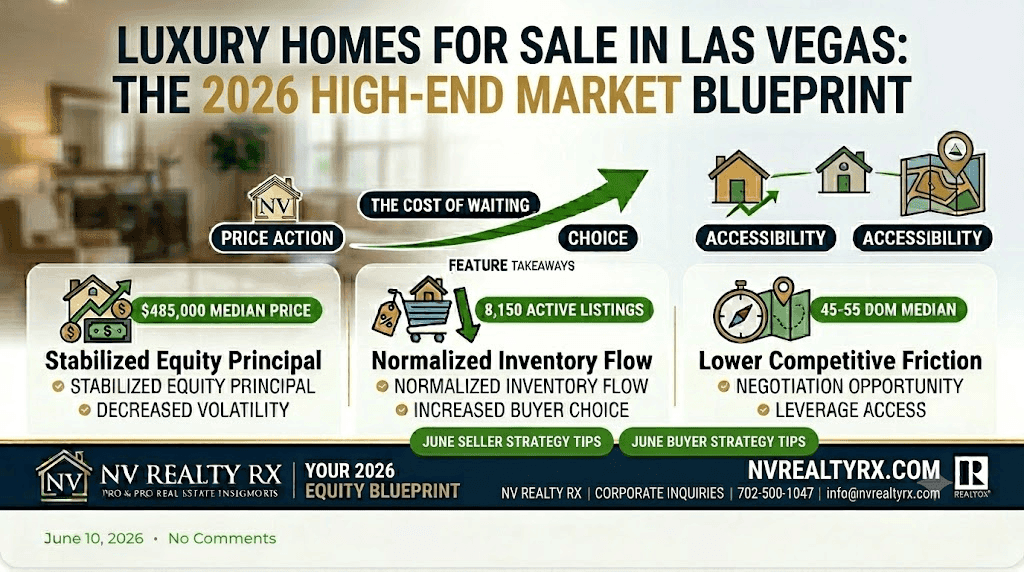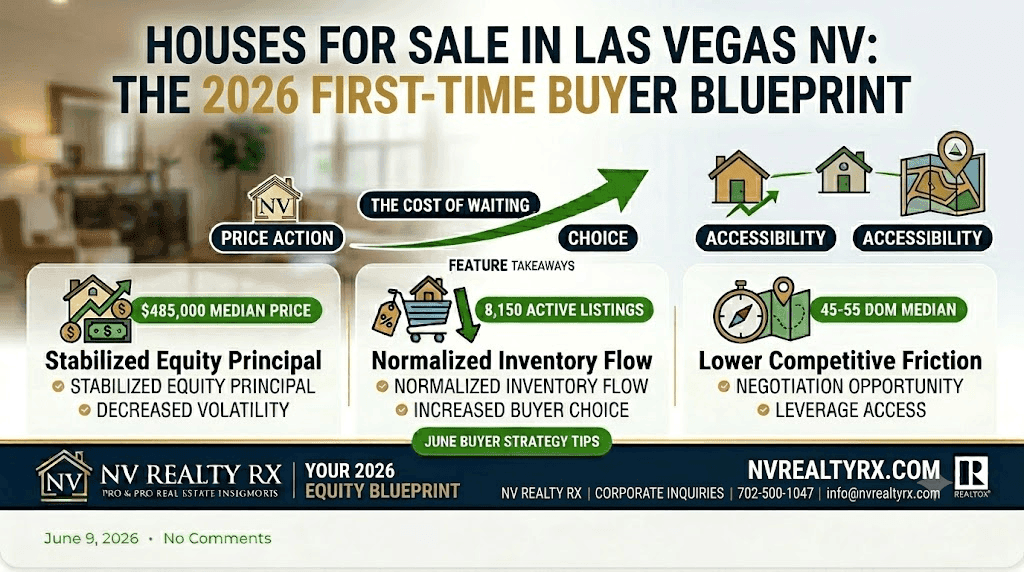

The Las Vegas and Henderson real estate landscapes have shifted significantly as we move through 2026. For the first time in years, the market has moved toward a balanced environment that offers genuine opportunities for those who understand the local nuances. This report breaks down the current inventory, pricing trends, and neighborhood specifics to help you make an informed decision.
The Current State of the Market
Inventory levels across the Las Vegas Valley have stabilized at approximately a four month supply. This represents a healthy equilibrium where neither the buyer nor the seller holds total leverage. While mortgage rates have settled into a predictable range near 6.4 percent, the Golden Handcuff effect remains a factor. Many current homeowners are hesitant to list their properties because they are holding onto much lower interest rates from previous years.
However, the wait and see approach is becoming less effective. Spring activity has notably increased, with more homes going under contract compared to the winter months. If modest price appreciation continues at the current pace, waiting six months could lead to higher acquisition costs and increased competition for the best remaining lots.
Neighborhood Spotlights and Pricing
Understanding the price points in specific submarkets is essential for setting a realistic budget. Recent averages across the valley show distinct tiers of entry.
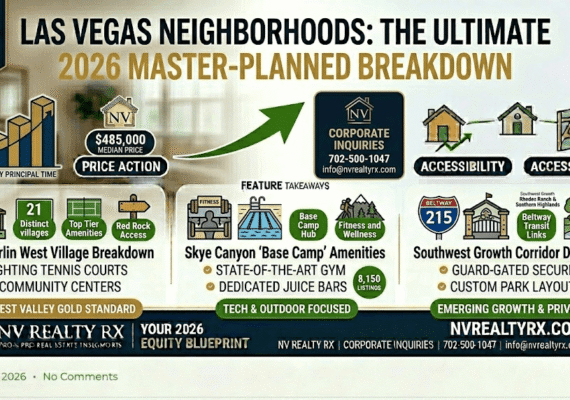
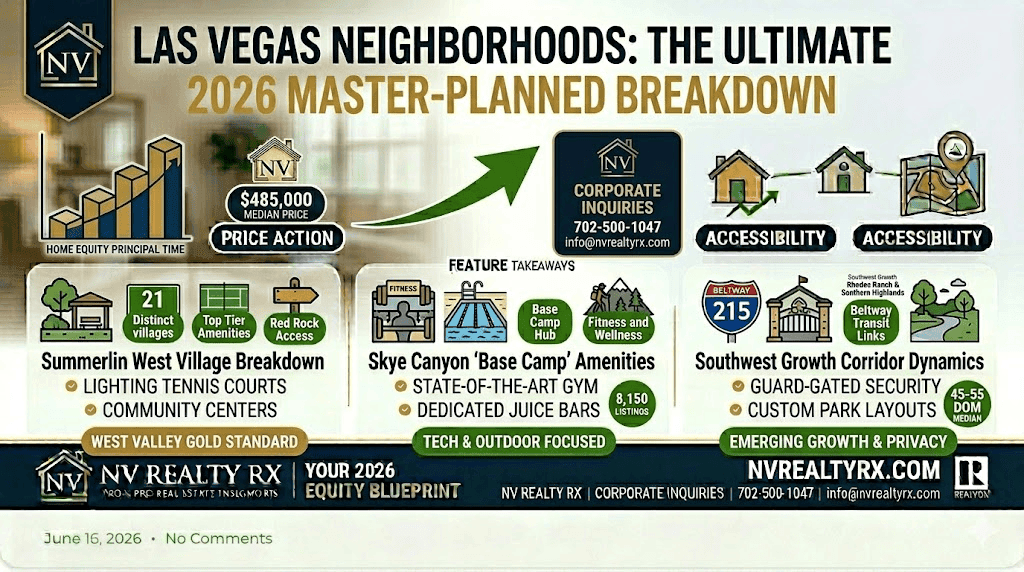
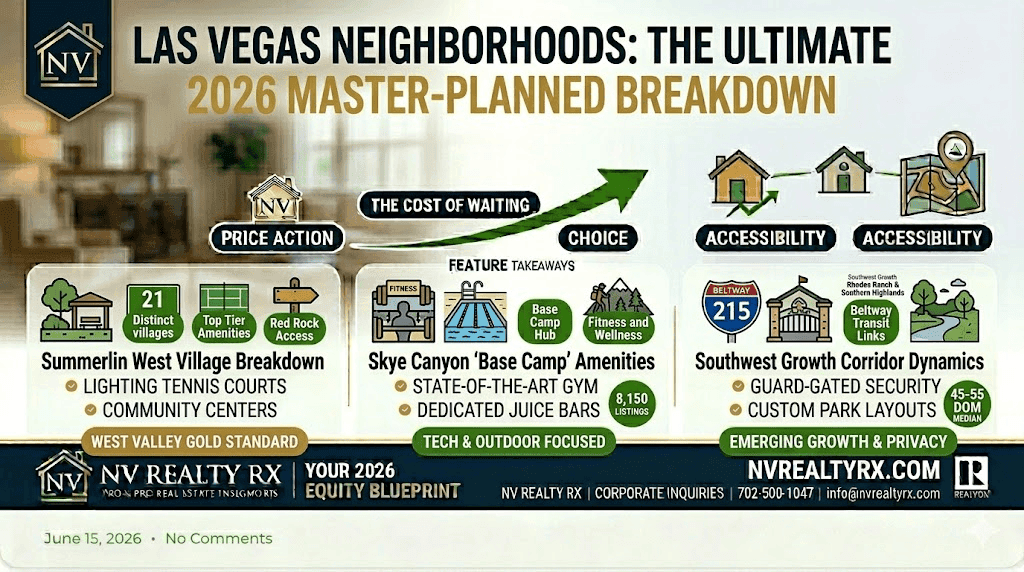
Summerlin remains a premier master planned destination, with recent average prices for single family homes often hovering around $680,000. North Las Vegas continues to be the primary choice for those seeking more square footage for their dollar, with average prices typically sitting near $450,000. Henderson and Inspirada remain highly competitive due to their school rankings and proximity to the Sloan Canyon National Conservation Area.
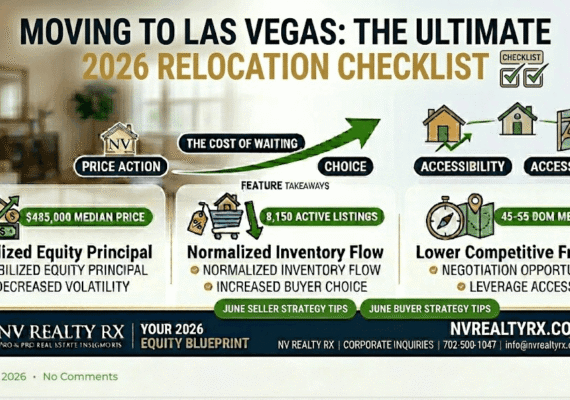
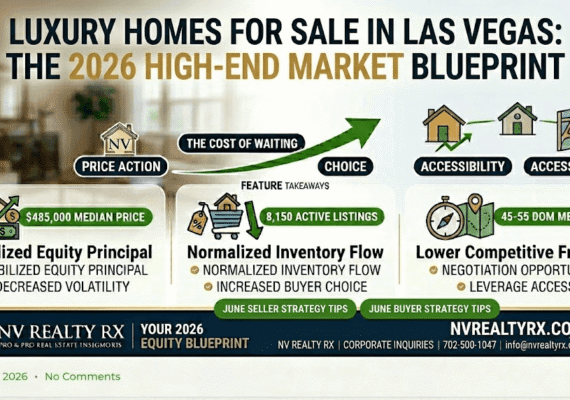
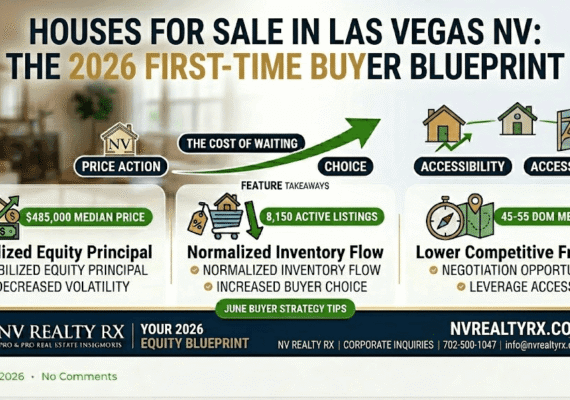
For the Las Vegas Valley as a whole, the median sales price for an existing single family home in early 2026 is approximately $475,000, though this varies significantly by zip code. Days on market have stretched to a healthier 45 to 60 days on average, giving buyers more room for inspection contingencies and negotiation than in 2021 through 2023.
Critical Considerations for Las Vegas Buyers
Purchasing a home in the desert involves unique factors that are often overlooked in generic national real estate advice
The Cost of the Heat
Air conditioning systems in Southern Nevada face extreme stress. A full replacement for a modern, high efficiency unit typically ranges between $8,000 and $12,000. During your inspection period, it is vital to have a dedicated heating, ventilation, and air conditioning professional certify the age and condition of the unit.
Soil and Foundations
Portions of the valley contain caliche, a natural rock like carbonate deposit that is incredibly hard. This can significantly increase the cost of future pool installations or backyard landscaping. Always review the geological disclosures for the specific subdivision.
Closing Costs and Concessions
In the current market, a significant percentage of sellers are offering concessions to help buyers with their closing costs or interest rate buy downs. In Nevada, total closing costs typically range between 2 percent and 5 percent of the purchase price. Negotiating for the seller to cover a portion of these costs is a common and effective strategy in 2026.
Homeowners Association Fees and Special Taxing Districts
Many master planned communities in Summerlin, Henderson, and Inspirada carry homeowners association fees ranging from $50 to $400 per month. Additionally, some newer subdivisions include special taxing districts, often called community facilities districts or tax increment areas, which can add hundreds or even thousands of dollars to your annual property tax bill. Always request a full tax and fee disclosure before making an offer.
Property Insurance Considerations
Nevada has seen rising property insurance premiums due to wildfire risk, wind events, and reinsurance cost increases across the western United States. Before closing, obtain a binding insurance quote. Some older homes or those in high risk wildfire zones may have limited carrier options or significantly higher rates.
Sample Monthly Payment for a Typical Las Vegas Home
To help you visualize your budget, here is a realistic example based on early 2026 figures.
For a home priced at $475,000 with a 10 percent down payment of $47,500, a 30 year fixed mortgage at 6.4 percent interest would result in a principal and interest payment of approximately $2,680 per month. Adding estimated property taxes of $400 per month, homeowners insurance of $150 per month, and a moderate homeowners association fee of $100 per month brings your total monthly housing payment to roughly $3,330. This does not include utilities or maintenance reserves.
Lenders generally prefer that this total payment not exceed 28 percent of your gross monthly household income, which would require approximately $11,900 per month or $142,800 per year in gross income. A full pre approval consultation will provide numbers tailored to your exact credit score, debt, and down payment.
Rent Vs Buy Comparison for a North Las Vegas Home
For a typical $450,000 home in North Las Vegas, the monthly payment with 10 percent down and 6.4 percent interest would be roughly $3,150 including taxes, insurance, and a minimal homeowners association fee. The same home might rent for $2,100 to $2,400 per month.
Buying makes more financial sense if you plan to stay for five or more years, build equity, and want fixed housing costs. Renting makes more sense if you need short term flexibility, have a smaller down payment, or prefer not to manage maintenance. In the current market, neither choice is clearly superior, and your personal time horizon should drive the decision.
New Construction Vs Resale Homes
New construction in 2026 often comes with builder interest rate buy downs, sometimes lowering your effective rate by one half to one full percent for the first year or even the full loan term. Builders also offer modern energy efficiency, smart home features, and standard warranties of one to two years on workmanship and up to ten years on structural components.
Resale homes, on the other hand, may offer mature landscaping, larger lots, no special taxing districts, and locations closer to the Las Vegas Strip or downtown. Resale homes also allow you to negotiate directly with a motivated seller, whereas builders rarely lower the base price but will offer concessions. Both paths are valid. Your choice depends on whether you prioritize immediate move in condition and builder incentives or established character and location.
Frequently Asked Questions
Are sellers paying for closing costs in 2026?
Yes, it is common in the current balanced market for sellers to contribute toward a buyer’s closing costs or a temporary interest rate buy down, especially on properties that have been on the market longer than the valley average of 45 to 60 days. Typical concessions range from 1 percent to 3 percent of the purchase price.
How much income is required to buy a home in Las Vegas right now?
Based on the example above, a median priced home near $475,000 with 10 percent down and 6.4 percent interest generally requires a gross household income between $110,000 and $145,000 per year, depending on your other debts, credit score, and down payment size. A pre approval consultation is the only way to get your personal number.
Is it better to buy new construction or a resale home?
New construction often comes with builder interest rate incentives, modern energy efficiencies, and warranties. Resale homes may offer established landscaping, lower property tax rates if they are not in a special taxing district, and locations closer to the city center. In early 2026, builder incentives have made new construction particularly attractive for first time buyers, but resale homes offer better value per square foot in many zip codes.
Take the Guesswork Out of Your Home Search
The 2026 market offers a window of opportunity that was unavailable during the frenzy of previous years. Navigating this environment requires a professional who understands the difference between a list price and a true fair market value.
Get the Seller Concession Tracker
Many buyers are currently leaving money on the table. Join our weekly update to identify which zip codes in the Las Vegas Valley are seeing the highest levels of seller contributions toward closing costs and interest rate buy-downs.
Request the Weekly TrackerTowanda Thompson-Rosales
Real Estate Professional