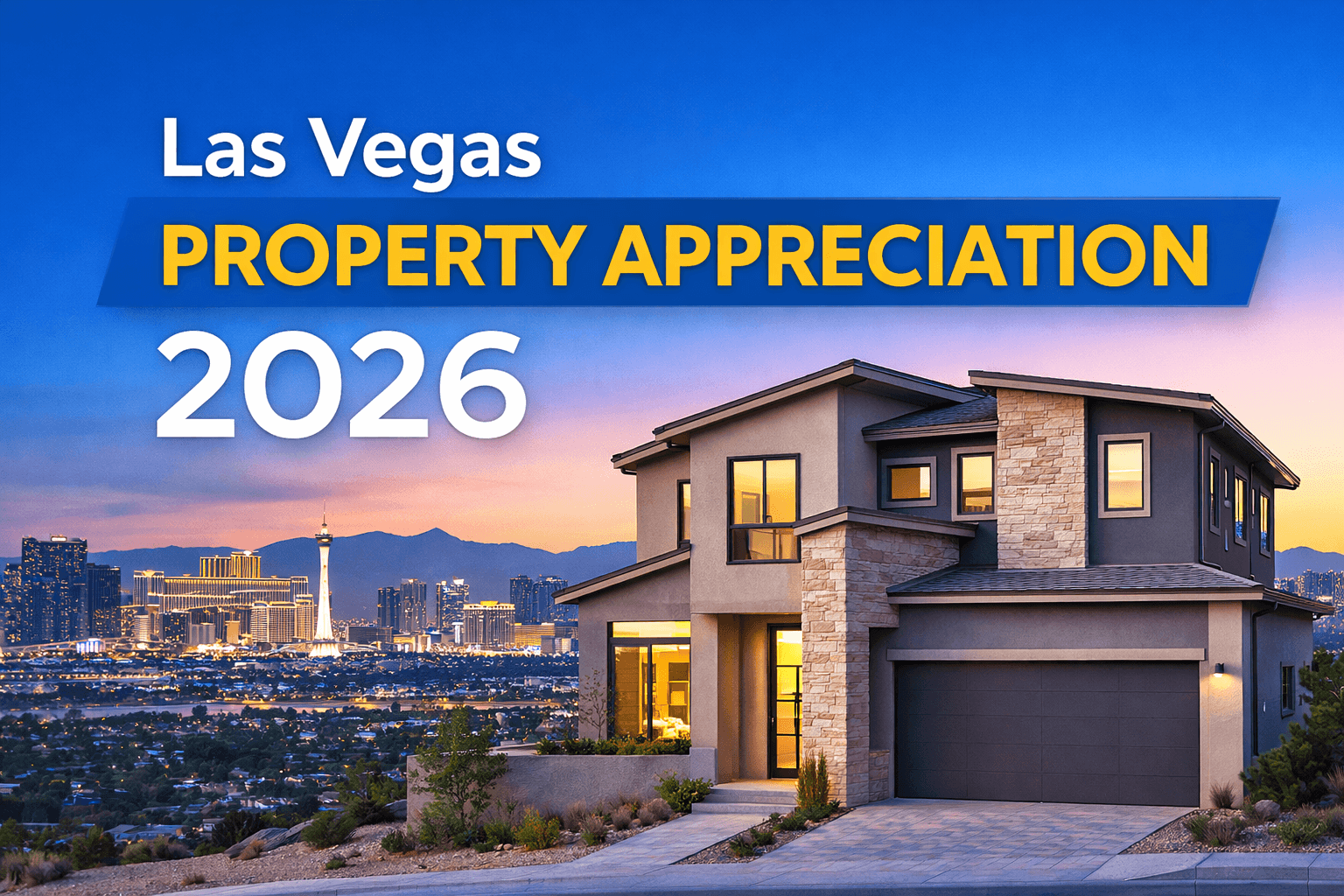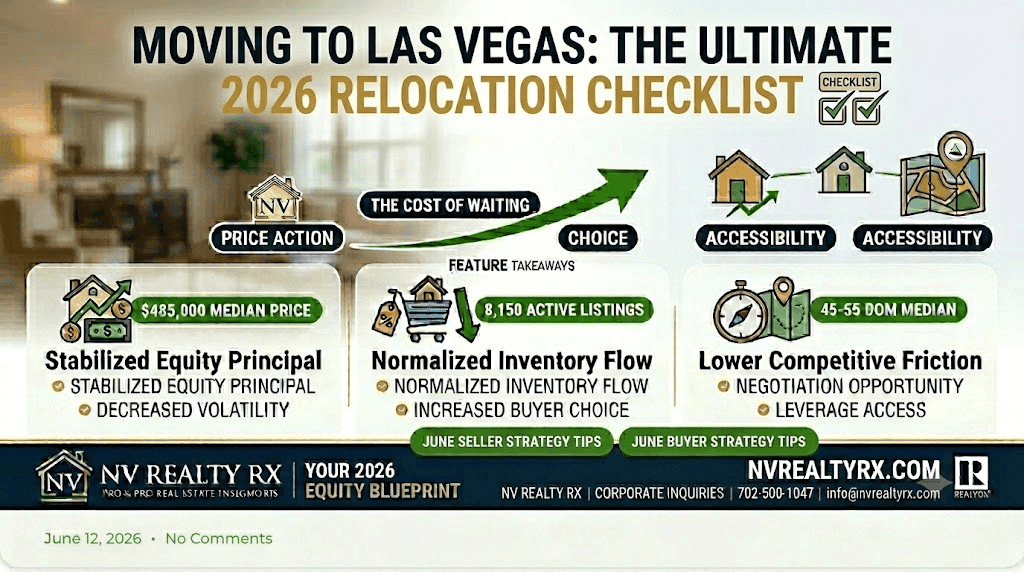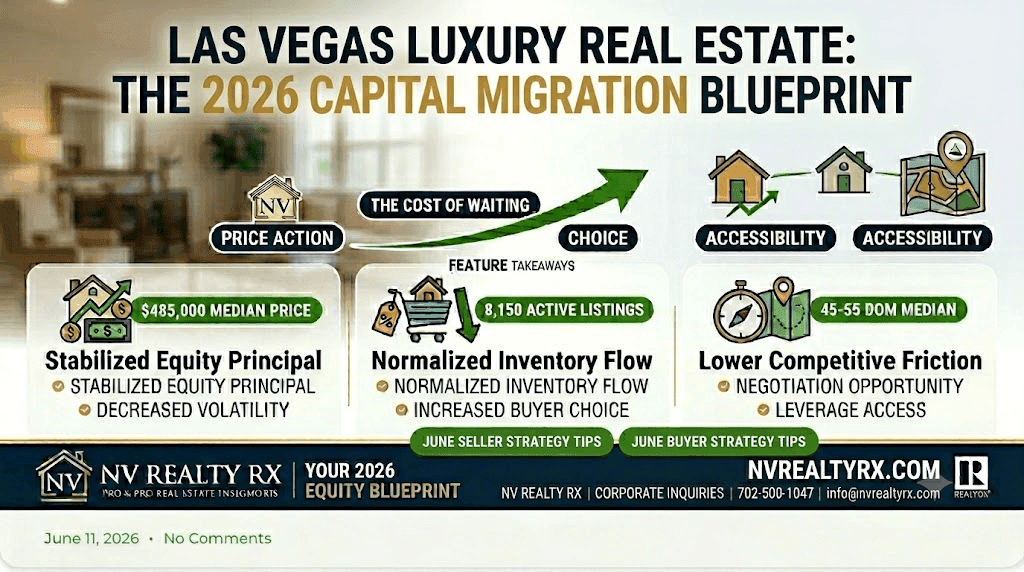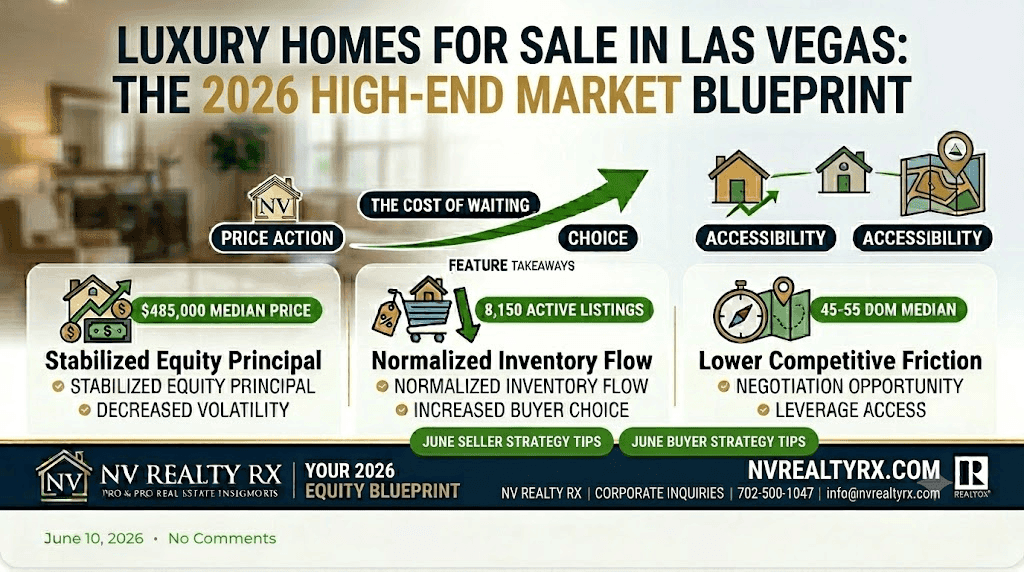
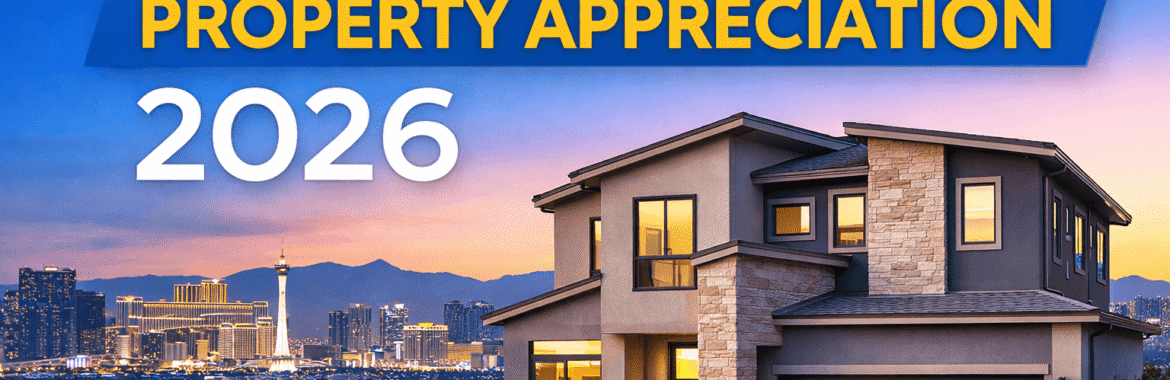
The Las Vegas real estate market has entered a new phase in 2026. Gone are the runaway bidding wars of 2021–2022, replaced by a more balanced market that favors strategic buyers and informed sellers. This recalibration—sometimes called the “Great Housing Reset”—does not mean the market is collapsing. Instead, it offers opportunities for those who act with data-driven insight.
If you’re a homeowner or a potential buyer, understanding the current trends is critical to making the right decision in Southern Nevada.
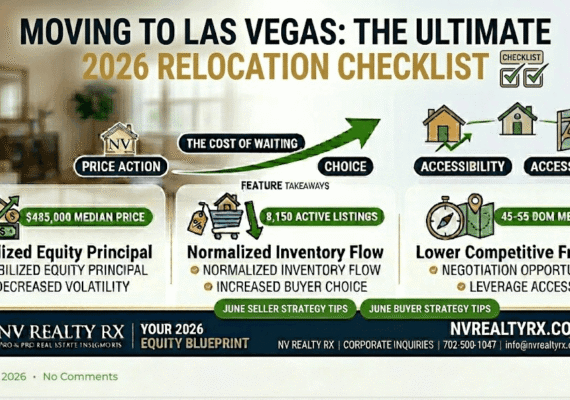
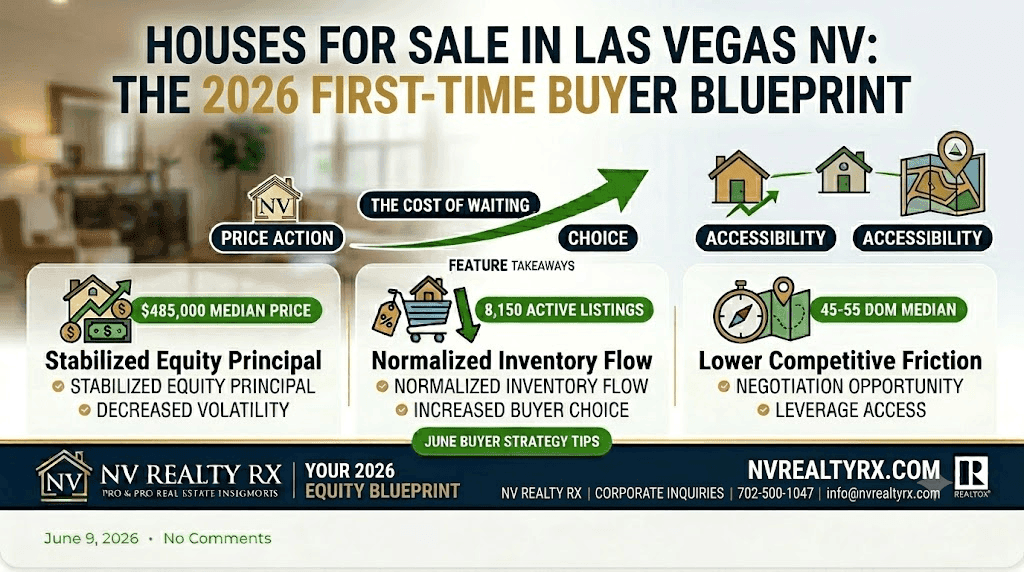
Las Vegas Market Snapshot – March 2026
While the rapid 20% annual appreciation seen during the frenzy years is over, the market is still experiencing steady equity growth. As of March 2026:
- Median single-family home price: $475,000 – $482,000
- Year-over-year price change: -0.2% to -0.6%
- Active listings: ~6,131
- Days on market: 76–86 days
- Average 30-year fixed mortgage rate: 6.0% – 6.4%
These figures reflect a normalized market, rewarding buyers and sellers who focus on long-term strategy rather than quick flips.
Key Market Indicators
| Metric | Current Status | What It Means |
| Inventory | ~6,131 active listings | More options for buyers, slowing rapid price increases. |
| Days on Market | 76–86 days | Negotiation power returns to buyers. |
| Mortgage Rates | 6.0% – 6.4% | Rates have eased from 2025 highs, improving affordability. |
| Supply vs Demand | 3.35 months of inventory | Despite higher inventory, demand keeps prices stable. |
Factors Supporting Las Vegas Home Values
1. California Outbound Migration
High-tax states like California and Washington continue to drive demand in Southern Nevada. Las Vegas offers:
- No state income tax
- Lower cost of living
- Affordable housing relative to major West Coast cities
This trend particularly boosts mid-tier homes and master-planned communities.
2. Infrastructure & Job Growth
New developments strengthen property appreciation:
- West Henderson / Inspirada: Industrial and recreational growth, including the West Henderson Fieldhouse and expansions by companies like Haas Automation.
- Southwest Valley: Retail, entertainment, and sports corridors attracting young professionals and families.
Proximity to jobs and amenities continues to be a top appreciation driver.
3. Inventory and Scarcity Despite a 17% increase in inventory, supply is still limited due to high land and construction costs. Absorption rates show strong buyer activity, ensuring prices remain resilient.
Top Neighborhoods for Appreciation in 2026
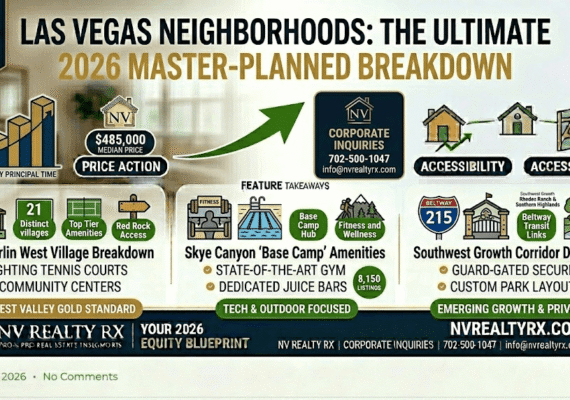
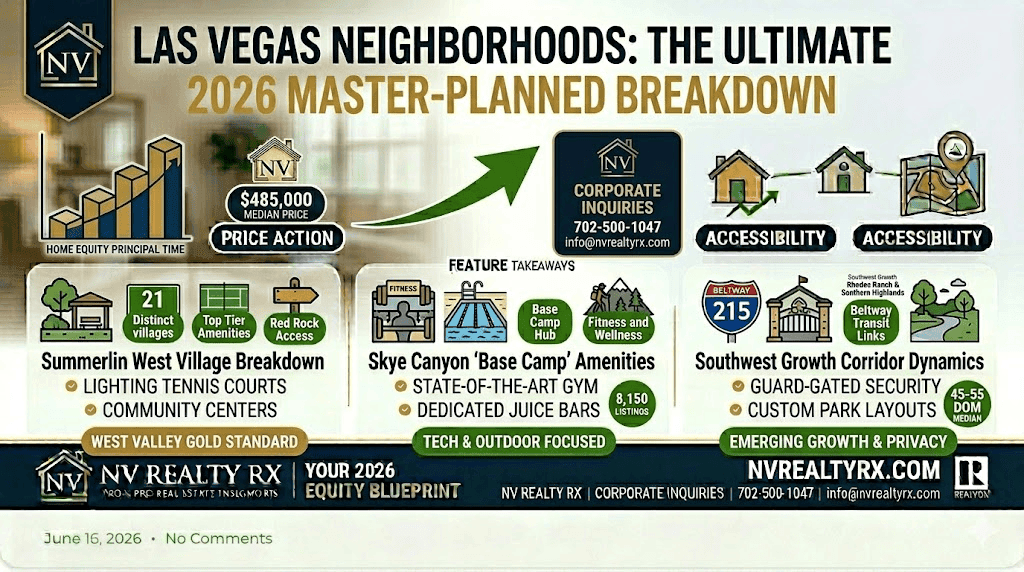
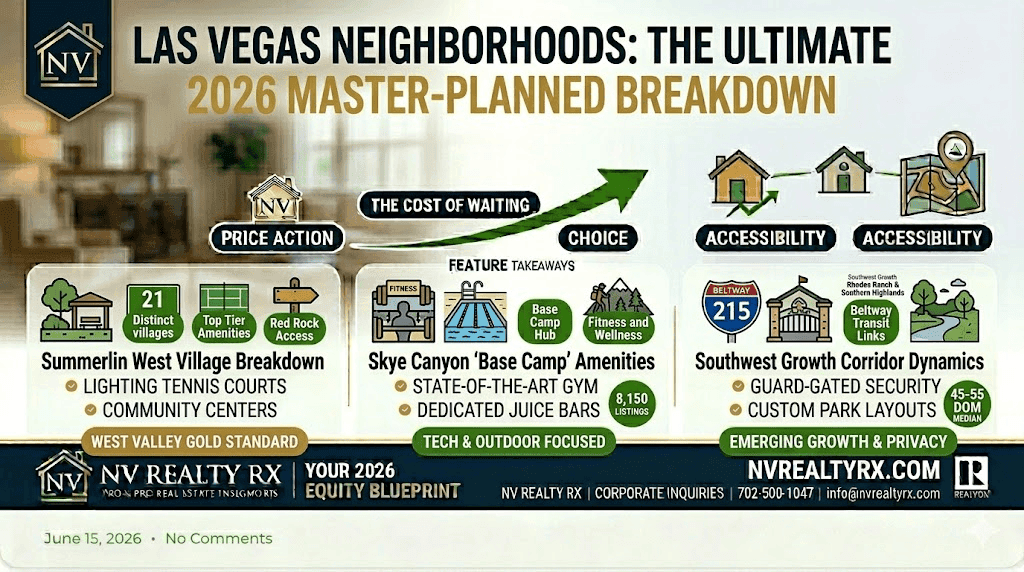
- Summerlin West – Luxury new builds and high-end amenities maintain consistent equity growth.
- West Henderson / Inspirada – New infrastructure and job growth create steady appreciation potential.
- Enterprise – Ideal for investors due to rental demand and lower entry-level prices compared to Summerlin.
Tip: For example, a $480,000 home in Inspirada could negotiate a 1% seller concession, saving approximately $4,800 upfront—a tangible benefit in today’s market.
Strategic Advice for Buyers
The biggest mistake in 2026 is waiting for a crash that the data does not support.
- The “Wait and Pay” Risk: Homes today may cost more next year, while rent continues to rise.
- Negotiation Leverage: With homes averaging 76–86 days on the market, buyers can request concessions, rate buydowns, or price adjustments.
- Improving Affordability: 30-year fixed rates averaging 6.0%–6.4% allow buyers to lock in manageable payments before rates potentially rise again.
Conclusion: Why 2026 is a Year to Act
For the informed buyer, 2026 is a strategic opportunity. More options, longer decision time, and negotiation leverage create a market that rewards prepared, data-driven decisions.
Sellers who price their homes correctly are still seeing strong interest. Buyers who understand the local trends can secure real value and long-term equity growth before demand rises again.
Want to know your home’s current value or explore the best neighborhoods for investment? Contact our team today for a personalized equity report and a 2026 relocation guide.