
As a relocation specialist at NV Realty RX, I speak with families every week who are asking one primary question: Is Las Vegas affordability in 2026 still a reality for those fleeing California high costs?
In 2026, affordability is no longer just about the purchase price. It is about what many buyers now call “Lifestyle Math”your total cost of living, monthly cash flow, and long-term financial predictability.
1. The 2026 Price Gap: Las Vegas vs. California
In many major California metro areas, median home prices remain well above $800,000, often exceeding $850,000 depending on the city and neighborhood.
In comparison, the Las Vegas Valley continues to offer a more accessible entry point.
As of early 2026:
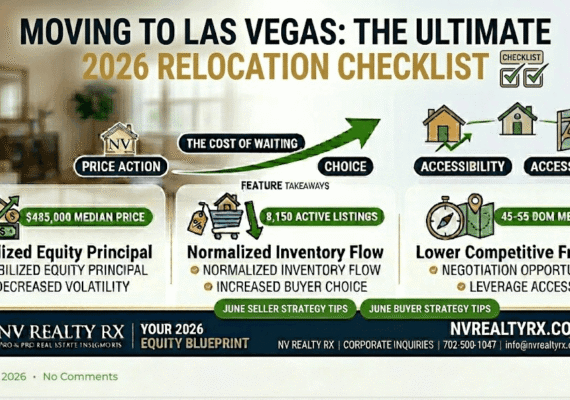
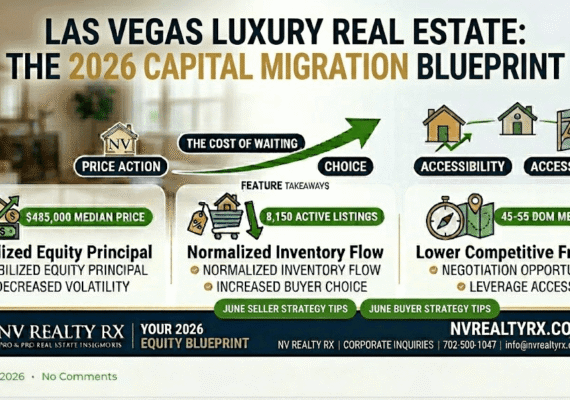
- Median single-family home prices in Las Vegas are generally ranging between $460,000 and $490,000, depending on the data source and monthly fluctuations
- Inventory levels have increased compared to the previous year, giving buyers more choices and reducing extreme competition
This does not mean prices are “cheap,” but it does mean buyers are getting more value per dollar compared to coastal California markets.
2. Nevada Tax Advantage: Predictability Matters
Nevada tax structure remains one of the most compelling reasons people relocate.
No State Income Tax
Nevada does not impose a state income tax. For many California buyers, this can result in a noticeable increase in take-home income, although the exact impact depends on income level and filing status.
Property Tax Stability
Nevada also offers a level of property tax predictability through state law (NRS 361.4723), which places a cap on how much property taxes can increase annually for owner-occupied primary residences.
- The cap is generally up to 3% per year for qualifying properties
- This helps protect homeowners from large, unexpected tax spikes
This kind of stability is a key part of long-term affordability and financial planning.
3. A More Balanced Market in 2026
The Las Vegas market has shifted away from the extreme seller conditions seen in previous years.
- The market is currently considered more balanced, with a moderate level of housing supply
- Buyers have regained some negotiating power, especially compared to the peak frenzy years
One notable trend:
- A meaningful portion of transactions now include seller concessions, though the percentage can vary month to month depending on market conditions
Why This Matters for Buyers
Instead of focusing only on price reductions, many buyers are negotiating:
- Closing cost assistance
- Interest rate buydowns
For example, a seller credit applied toward a temporary rate buydown can reduce monthly payments in the early years of a loan, depending on loan terms, interest rates, and lender structure. This approach often has a more immediate impact on affordability than a small price reduction.
4. Utilities: Rates vs. Usage
Utility costs are often misunderstood when comparing Nevada and California.
- Nevada electricity rates are generally lower than California averages
- However, total monthly bills can still rise during the summer due to higher air conditioning usage
This means buyers should focus on efficiency, not just rates.
What to Look For:
- Updated HVAC systems
- Proper insulation
- Energy-efficient windows
- Solar (where applicable)
Homes with these features can significantly improve long-term monthly cost control.
5. Where Your Budget Goes Further
Not all areas of Las Vegas offer the same value. Understanding location strategy is critical.
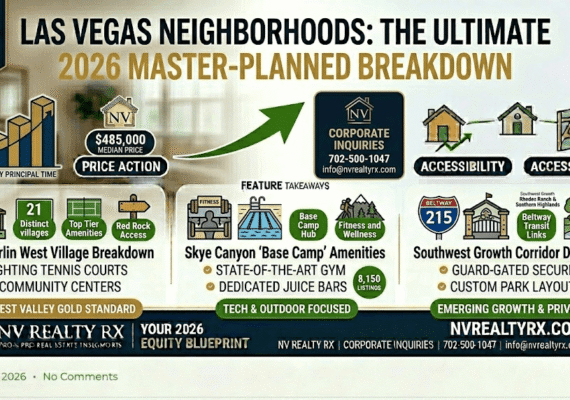
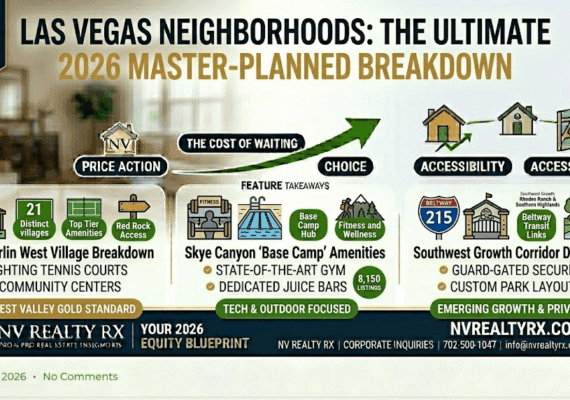
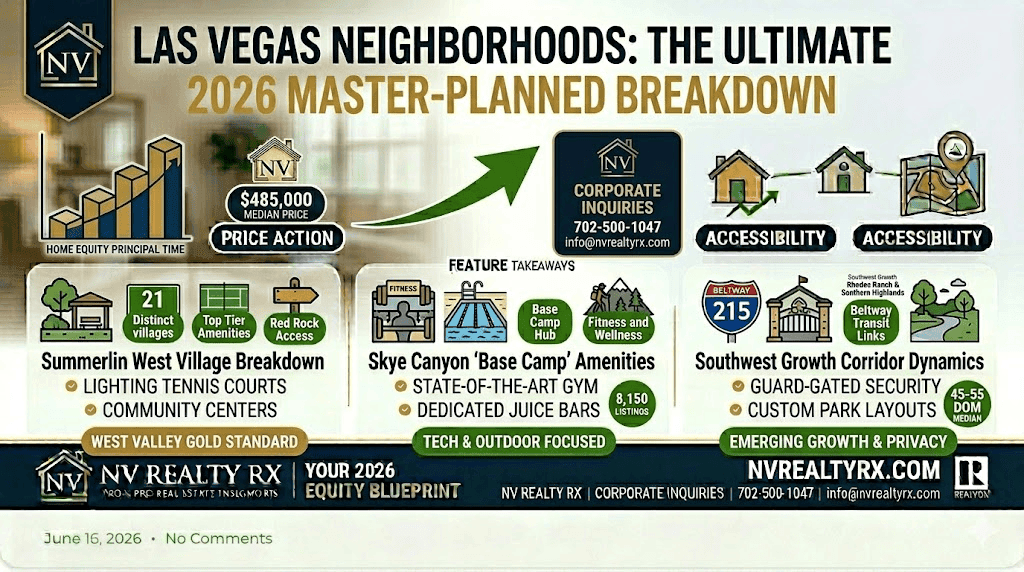
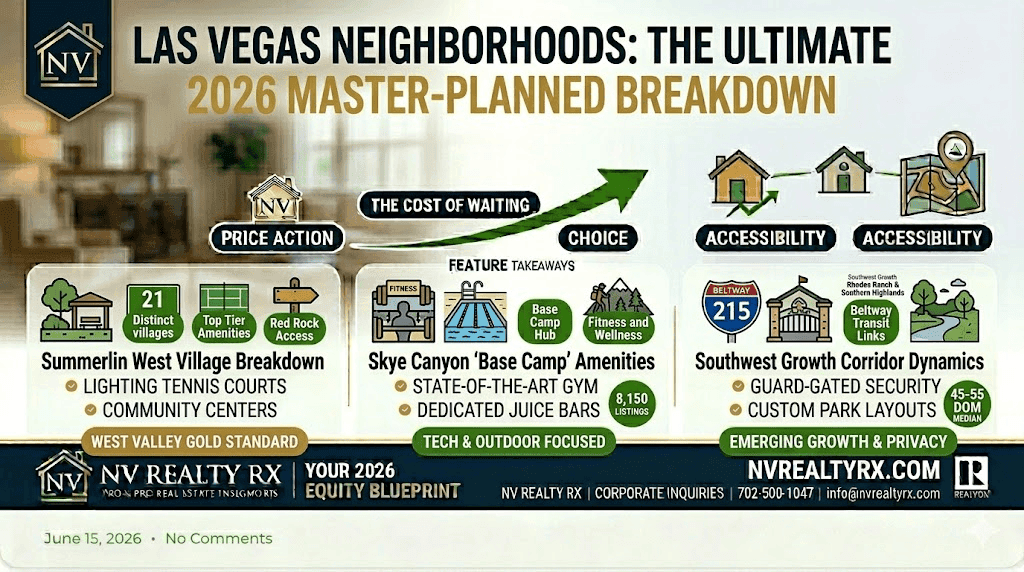
- Summerlin: Known for amenities, master planning, and lifestyle appeal. Pricing can be higher per square foot.
- Henderson: Often offers newer construction and strong value relative to price.
- Southwest Las Vegas: Typically more entry-level pricing and ongoing development growth.
For buyers relocating from California, this means you can choose between lifestyle, newer construction, or price efficiency, depending on your priorities.
6. 2026 Cost Snapshot (Contextual Overview)
| Expense | Las Vegas (2026 Estimate) | Context |
| Median Home Price | ~$460K – $490K | Lower than major CA metros |
| State Income Tax | 0% | Nevada advantage |
| Electricity | Generally lower rates than CA | Usage varies by season |
| Auto Insurance | Often above national average | Depends on driver profile |
Note: All figures are estimates and can vary based on market shifts, personal financial profile, and provider differences.
7. Who This Move Makes Sense For
Relocating to Las Vegas in 2026 is typically a strong financial move for:
- Buyers planning to stay 5 to 10 years or longer
- Households focused on monthly cash flow stability
- Remote workers or professionals seeking lower overall cost of living
Who Should Be More Cautious:
- Short-term buyers (under 3 years)
- Investors expecting rapid appreciation cycles
- Buyers stretching beyond comfortable monthly budgets
Is Now the Right Time to Buy?
For many buyers, 2026 presents a more favorable environment than recent years:
- More inventory
- Less competition
- Greater negotiating flexibility
While mortgage rates remain elevated compared to historic lows, they have shown signs of stabilization, and buyers now have more control over deal structure.
Final Thought: It’s a Financial Strategy, Not Just a Move
Relocating from California to Las Vegas is not just about buying a home.
It is about:
- Reducing financial pressure
- Creating predictable housing costs
- Improving long-term lifestyle flexibility
For many households, the shift results in more space, lower stress, and better control over monthly expenses.
🚀 Ready to Run Your Numbers?
If you are considering a move from California to Las Vegas, the next step is simple — understand your personal “Lifestyle Math.”
Don’t rely on estimates or assumptions. Get a clear, data-driven breakdown tailored to your situation.
What You’ll Get:
- A personalized cost comparison based on your current location
- Real payment scenarios using today’s market rates
- Targeted neighborhood recommendations based on your budget and goals
📩 Get Started Today:
Email:
towanda@nvrealtyrx.com
Call/Text:
702-500-1047
Make your move with clarity, not guesswork.
A smarter strategy starts with the right numbers.